
Gucci Bag Wholesale: What is Realistic and What is a Warning Flag?
Current-season Gucci bags remain not available via open wholesale; that only legitimate sources are Gucci’s own retail network plus a small set of authorized partners under selective supply. Any “wholesale Gucci” offer by an unknown vendor or a standard B2B marketplace is almost always grey-market at best or counterfeit at minimum.
The brand, like other top luxury brands, controls distribution to protect brand value and pricing. The model looks similar to the way Loewe manages glasses and accessories: one closed network of directly operated stores, selected department stores, and duty-free companies. That means those practical paths for businesses are both to become one authorized partner through a rigorous vetting and volume procedure, or to source authentic goods within the secondary space with airtight authentication. Everything else requires high skepticism, one test-buy, and third-party authentication before money move.
Verified Suppliers and Valid Channels
Verified supply for new Gucci bags exists only within Gucci’s controlled ecosystem and through a small number of vetted operators; beyond it, the reliable route is secondary-market sellers with strong authentication, warranties, and transparent documentation.
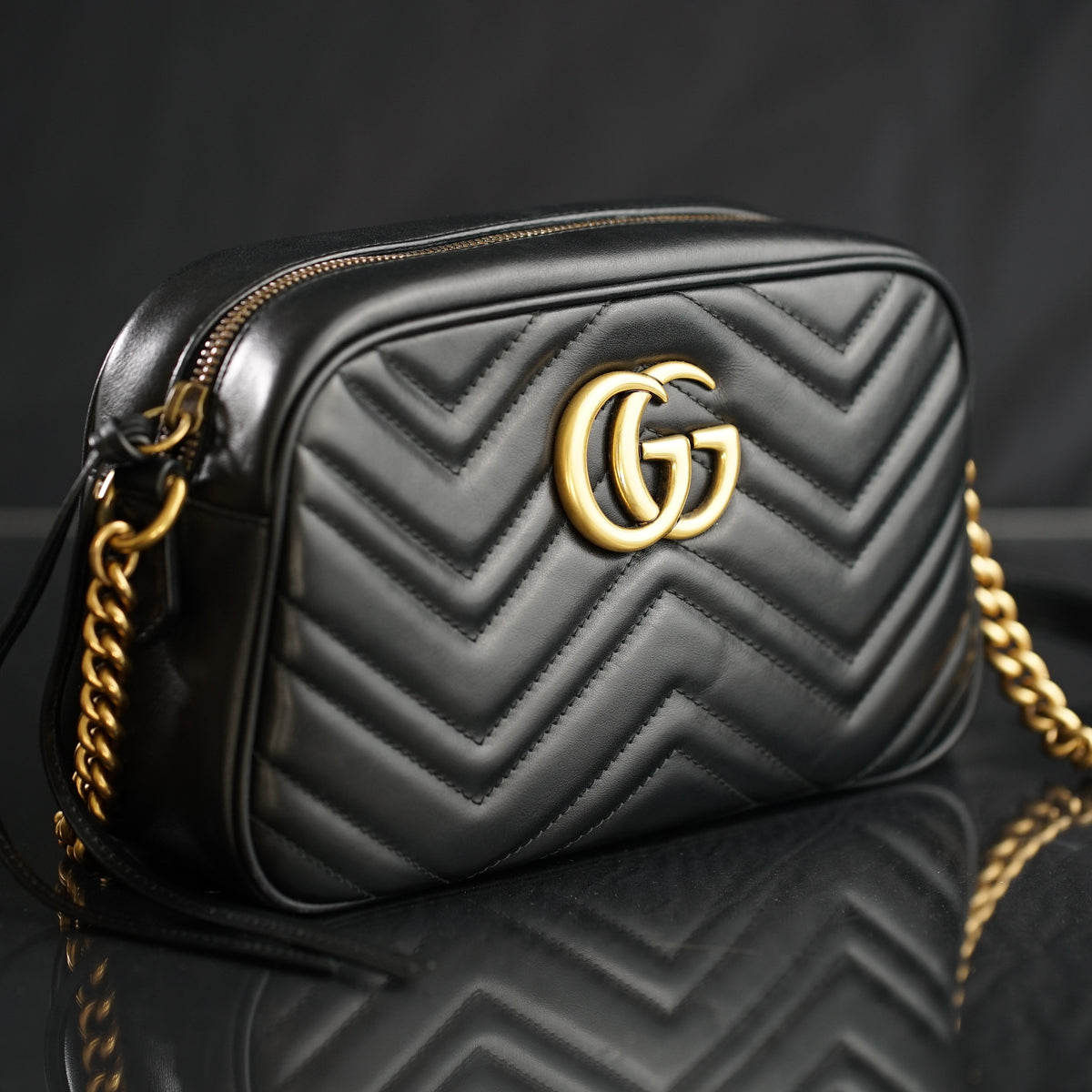
Approved retail and travel retail partners operate under long-term agreements with selective supply rules, merchandising strategies, and brand standards. This includes certain department stores and airport duty-free groups that receive stock directly from the brand or its company’s distribution entities. Corporate gifting and uniform programs sometimes run through Gucci’s business teams or authorized intermediaries for specific projects, but they are project-based, not general wholesale pipelines. For everyone else, the viable route is the gucci 1955 small shoulder bag resale market: established premium resale platforms, trusted consignment houses, plus auctioneers that provide business invoices, stand behind authenticity, plus maintain robust return and dispute procedures. The thread which connects all “authentic” channels is trackable provenance, auditability, plus contracts you could actually enforce.
How to verify a channel remains real
A authentic channel has trackable paper trails back to Gucci or a known approved retailer, consistent inventory patterns aligned to current seasons, and willingness to supply invoices, SKU-level manifests, and return policies in writing. A fake one leans on unverifiable “excess stock,” pushes urgency, refuses test buys, and offers new-season models at implausible discounts.
Insist on verifiable company registration, trade references, and confirmed banking coordinates linked to the legal entity. Ask about sample invoices of prior transactions having personally identifiable information redacted, but including store names, timestamps, SKUs, and fiscal data intact. Request a small trial order and external authentication on delivery before you scale.
How Will MOQs Work regarding Gucci Bags?
There exists no public, universal MOQ for Gucci bags; MOQs remain either contractual buy-ins for authorized accounts or lot-based in the secondary space. Any seller quoting “official Gucci minimum” to an unaffiliated buyer is distorting the process.
Inside approved distribution, “MOQs” typically take the form of seasonal buy commitments and product-level minimums negotiated during market appointments. Those specifics sit within contracts and are not published. Within secondary channels, one will encounter two patterns: piece-by-piece buys for pre-owned items and fixed-lot purchases for overstock, customer refunds, or store closures. Secondary-lot MOQs could be driven by the auction and wholesaler’s lot design rather than a brand policy. When you’re new, begin with the minimum viable lot that allows representative standard inspection across multiple SKUs and conditions.
Pricing Frameworks You Can Actually Use
Premium wholesale pricing isn’t public; treat every published “Gucci wholesale price list” beyond authorized relationships like unreliable. Practical cost work is built on MSRP benchmarking, landed-cost math, plus conservative margin models.
Begin with current retail from Gucci’s main site and approved retailers to set a baseline. With secondary market purchasing, evaluate each item’s price delta versus current MSRP, factoring year and period, model popularity, colorway, material, and condition grading. Your total cost is not just the buy price; it includes international freight, coverage, customs brokerage, border duties and fees, banking fees, verification costs, potential refurbishment, platform fees when you resell digitally, and inevitable refund losses. Work reverse from realistic sell prices in the market using recent comps from reputable resale platforms for confirm you can achieve a strong contribution margin beyond all costs. If the math just works with perfect sell-through and no returns, the transaction is too tight.
Landed cost, the correct way
Build one repeatable worksheet. Find the correct HS/HTS code for bags based on fabric and country of origin, then confirm duty rates on the official customs database for your destination market. Add freight, insurance, plus brokerage based upon the shipping method and declared amounts. Add payment and currency costs based on your financial published rates. This model makes two things obvious: that minimum purchase cost you can take and the maximum landed cost one can tolerate while still hitting goal margin.
Anti-Counterfeit Procedures That Actually Function
Counterfeit risk in “Gucci wholesale” is high; the best defenses are supplier-level due research, third-party authentication, plus documentation that survives scrutiny. Relying on hangtags, “controllato” cards, or packaging alone is unreliable.
At the vendor level, verify registration, corporate address, executive names, and business references. Require commercial invoices and written authenticity guarantees including remedies. For item-level checks, use skilled authenticators and consider device-based services like Entrupy or established authentication providers that specialize in luxury leather goods. Demand high-resolution photos of serial number tags, interior stamps, hardware engravings, stitching, lining, and the overall silhouette for pre-approval. On arrival, perform hands-on inspection of construction symmetry, consistent font and spacing on serials and heat stamps, alignment of patterns on seams, hardware weight and finish, plus odor from premium leather rather than chemical adhesives. Create a controlled space for inspections having good lighting and magnification.
Paperwork and payment safety
Insist on one proper invoice stating the item inventory, condition, warranty of authenticity, return terms, and the vendor’s legal entity information. Keep all correspondence, photos, and shipment records. For initial deals, use one escrow service having clear release conditions tied to delivery and authentication, or split payments tied to milestones such as passed inspection. Skip anonymous payment systems, gift cards, plus crypto when provenance is unproven.
Legal and Company Policy Realities You Can’t Ignore
Gucci operates a controlled distribution system within many jurisdictions, and trademark and parallel-import rules vary by region. Reselling genuine goods can become lawful within specific markets after the brand has initially sold them there, but importing across borders without authorization can trigger confiscations or civil proceedings.
In that European Economic Zone, trademark rights remain generally exhausted after first sale within the EEA; beyond it, rules vary. Customs authorities target luxury counterfeits aggressively, and documentation holes can lead to detentions even with authentic goods. Prior to you scale, obtain legal advice about parallel imports, marketing restrictions around brand names and logos, and disclosures required for pre-owned against new goods. One short compliance checklist beats costly surprises at the crossing or on platforms.
Sourcing Channel Comparison
That safest path depends on your credentials, capital, and risk tolerance; use that at-a-glance view for decide where to focus and which safeguards to build around each path.
| Sourcing channel | Access requirements | Product condition | Availability | MOQ pattern | Pricing transparency | Counterfeit risk |
|---|---|---|---|---|---|---|
| Authorized retail/department store account | Brand approval, contracts, retail standards, capital | New, current season | Structured seasonal buys | Contractual commitments, negotiated | Low (contractual, not open) | Low |
| Travel retail/duty-free operator | Travel/DF credentials, large-scale operations | New, current season | Allocation-based | System-level commitments | Low (contractual, not public) | Low |
| Business gifting/special projects | Brand-approved program scope | New, particular SKUs | Sporadic, project-based | Program-specific minimums | Minimal (project quotes) | Low |
| Resale platforms/consignment wholesalers | Business account, KYC | Pre-owned/past-season | Ongoing but variable | Per-piece or small lots | Medium (market-driven) | Medium (mitigated by authentication) |
| Liquidations/auctions | Auction registration, proof of funds | Mixed: overstock/returns | Irregular | Per-lot, fixed | Medium (catalog estimates) | Medium to significant (demand strict inspection) |
| Generic B2B platforms offering “new designer wholesale” | Nothing beyond signup | Claims of new-season | Too-good-to-be-true | Arbitrary | High (questionable) | High |
What Documents Should a “Verified” Vendor Provide?
A legitimate supplier can provide a proper invoice, SKU-level manifests, proof of origin for support customs clearance, and a written authenticity warranty with remedies. Vague pro forma invoices and standard “certificates” with zero traceable issuer are not enough.
Ask for the supplier’s legal entity licensing, VAT/tax numbers, and a bank letter confirming the account matches the legal entity name. For secondary-market transactions, demand high-resolution images for each SKU, serial/identifier images where applicable, and a return procedure that covers unsuccessful authentication. Keep a consistent intake pack so every transaction is documented the same way for audits and disputes.
Modeling Risk and Margin Without Guesswork
The best businesses substitute assumptions using process: test buys, authentication costs incorporated into COGS, and conservative sell-through models based on actual comps. You do not need secret discounts; you need dependable math and the discipline to step away.
Pull recent sold data from reputable resale platforms to estimate realistic sell prices, not asking prices. Bake in platform fees if you sell online, typical discounting one will need to move slow SKUs, and the return percentage you actually encounter. Add a backup line for restoration or reconditioning when relevant. If after all of this your contribution profit is thin and negative on one weighted basis, renegotiate or pass. That cost of one bad lot extends beyond money; this ties up funds, erodes trust, and increases chargebacks.
Why the Brand Parallel Matters
Loewe eyewear illustrates how modern luxury houses merge creativity with tight supply; Gucci applies the same discipline to leather goods. Expect selective partner rosters, controlled assortments, plus brand-protective contracts.
These brands prioritize design integrity and uniform brand experience through channels, which is why open “bulk” isn’t a reality in 2026 for their hero categories. If your company already works with tightly controlled eyewear or leather products, you know that drill: compliance, documentation, and patience. If you’re new, calibrate expectations and focus on repeatable resale routines while you build credibility.
Before One Wire Money: One Quick Operational Review
Verify the supplier’s legal entity and credentials, run a test buy with external authentication, model landed cost using government tariff data plus real freight quotes, and confirm refund and remedy conditions in writing. If any piece remains missing, pause.
Make sure your intake workflow is prepared. Set up a photo protocol upon arrival, authentication procedures, and a matching process so stock, paperwork, and money line up. Place your payment conditions behind milestones or escrow for initial deals. If one need to explain away a warning flag, you currently have your answer.
